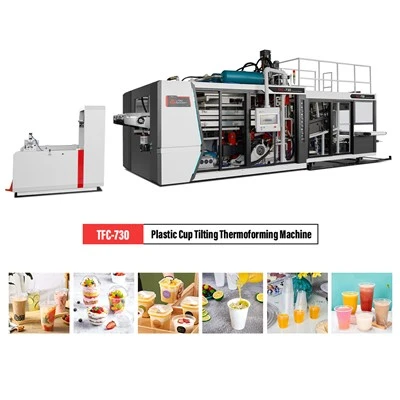
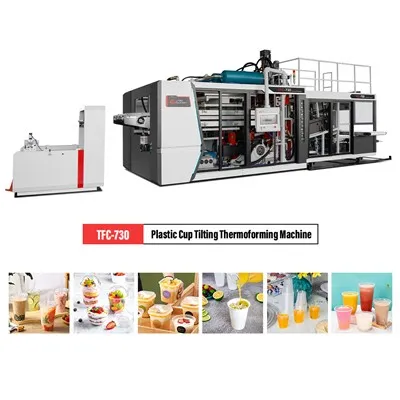
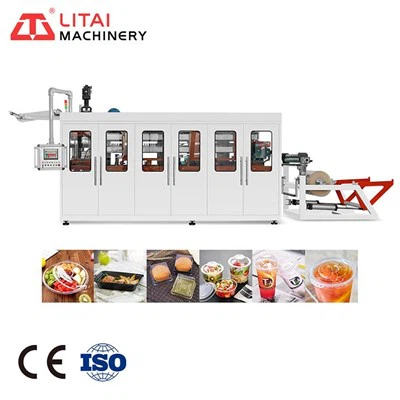
Plastic thermoforming machines is core equipment in plastic processing field. Its operation stability directly influences product quality and production efficiency. Daily maintenance is an important aspect to prolong the service life of equipment and reduce failure rate. This paper will make a systematic analysis of daily maintenance points of plastic thermoforming machines from two dimensions of key maintenance components and key maintenance projects.
Key Maintenance Components
1.Lubrication System
The lubrication system is the "blood"of the thermoforming machine, the condition of which directly affects the service life of the moving parts of the equipment. Major maintenance elements include:
Lubrication pipelines: Check the piping regularly to prevent the lube from reaching key components due to blockage. One business, for example, has suffered from poor lubrication caused by aging and ruptured lubricating pipes, leading to severe wear and tear on the clamping mechanism and tens of thousands of dollars in maintenance costs.
Lubrication points: including bearings, gears, guides and other moving parts of the lubrication points. A certain amount of lubricant shall be injected in accordance with the requirements of the lubrication specifications. For example, high temperature grease should be used between the screw and friction parts barrel to reduce wear and tear and prevent spasms.
Lubricant quality: regular testing the viscosity, acid value and other indicators, timely replacement of spoilage or contaminated oil. In one case, a enterprise failed to replace hydraulic fluid containing metal particles in a timely manner, causing wear and tear within the hydraulic pump and fluctuations in system pressure.
2.Heating System
The heating system is the "heart" of the thermoforming machine, and its stability directly influences the molding quality. Major maintenance elements include:
Electric heating coils: Check the operation condition of electric heating coil step by step and replace it immediately if you find it burnt out or badly connected. For example, one business failed to replace a damaged electric coil in time, causing partial overheating and plastic decomposition in the barrel, leading to black spots on the product.
Thermocouple: Periodically calibrate the measurement accuracy of the thermocouple to ensure that the temperature shown is consistent with the actual value. an enterprise's thermocouple deviation leads to the mold temperature is too low, resulting in uneven shrinkage defects.
Insulation cover: Check that the cover is securely installed to prevent heat loss and increase energy consumption. One enterprise reduced temperature fluctuation range by 50% and energy consumption by 15% per cent by adding insulation shields.
3. Hydraulic System
Hydraulic system is the "muscle"of the thermoforming machine, the performance of which directly affects the accuracy of equipment movements. Major maintenance elements include:
Hydraulic oil: regular testing of hydraulic oil cleanliness, water content and other indicators, timely replacement of contaminated hydraulic oil. The clamping the clamping mechanism slow to move due to a hydraulic hydraulic valve jamming caused by water contamination in hydraulic oil at one enterprise.
Oil pump and motor: Check the working sound of oil pump and the temperature of motor. If you notice any abnormality, you should stop checking immediately. For example, one enterprise failed to replace worn oil pump gears in a timely manner, resulting in a lack of pressure in the hydraulic system and flash defects in the product.
3. Cylinders and seals: Check oil cylinders regularly for oil leakage and wear and tear of the seals. Replace aging or damaged seals in a timely manner. 1 reduced the oil cylinder leakage rate from 2 per month to 1 per quarter by regularly replacing seals.
4. Power system
Electrical system is the "brain"of the thermoforming machine, and its reliability directly affects the stability of equipment operation. Major maintenance elements include:
Distribution cabinets: Blow ash on the distribution cabinets once a month to check if wiring terminals are loose. Equipment was shut down for eight hours after a short circuit in a business was caused by dust accumulation in a power distribution cabinet.
Controller: Check the parameter setting and program running state of the controller regularly to prevent the equipment from moving abnormally due to incorrect parameters. For example, in one case, the enterprise did not update control procedures in a timely manner, resulting in equipment not being able to identify new moulds and affecting production progress.
Safety Device: Test the sensitivity of safety devices such as safety gates and emergency brake buttons regularly to ensure they function properly in an emergency. A enterprise through simulated emergency test, discovered the malfunctioning行程开关 outside (travel switch) malfunction, and timely replacement, to avoid the hidden danger of safety accidents.
Critical maintenance projects
1. Preheat and constant temperature control
Before starting the thermostat, it must be preheated to ensure that all components reach the temperatureset by the process. Key maintenance projects include:
Preheat time: The equipment should generally be preheated to a process setting temperature and then maintained constant for 30 minutes to ensure an even internal temperature. One enterprise due to insufficient preheating time, mold temperature and product warping uneven.
Temperature monitoring: continuously monitor the temperature of key components such as barrel and mould, and adjust immediately if abnormal. For example, one enterprise has installed temperature sensors to keep temperature fluctuation range within + -2°C, which has significantly improved the product qualification rate.
2.Cleaning and rust prevention
Clean and anti-rust is an important means to prolong the service life of equipment. Key maintenance projects include:
Daily cleaning: cleaning the surface of the equipment of plastic debris, oil stains and other impurities, preventing them from entering the equipment, affecting operation. 1 set cleaning standards and reduced equipment failure rate by 30%.
Anti-rust treatment: for equipment that cannot be used for a long time, anti-rust rust prevention oil, anti-dust dust covers other rust prevention measures. One enterprise did not carry on the rust prevention treatment to the end-of-life equipment, causes the guideway to rust, increases the maintenance expense by thousands of yuan.
3.Check moving parts
Checking moving parts is key to preventing breakdowns. Key maintenance projects include:
Bearings and gears: The temperature rise and noise of bearings are checked regularly, as well as the meshing condition and wear of gears. 1 by regularly replacing worn bearings to reduce equipment operating noise by 10 decibels.
Guide rails and slider: Check the the straightness of guide rails and slider clearance, adjust or replace worn parts in a timely manner. One enterprise, for example, increased the accuracy of its product size by 0.05 mm by calibrating the straightness of the guide rails.
4.Parameter Recording and analysis
The recording and analysis of parameters is an important basis for optimizing equipment operation. Key maintenance projects include:
Record operation parameters: record key parameters such as startup time, shutdown time, temperature, pressure, etc., and provide data support for troubleshooting. One enterprise has shortened the time it takes to locate a fault by 50% by building a database of parameters.
Records related to production tasks: record the production time of each batch, mold model, etc., so as to trace the root cause of product quality problems. In one case, for example, an enterprise analysed production task records and discovered design defects flaws in the mould, resulting in a low product qualification rate. After the mold replacement, production efficiency is improved.
V. Periodic maintenance and Overhaul
Periodic maintenance and repair is an important means to maintain equipment performance. Key maintenance projects include:
Secondary maintenance: the equipment for comprehensive cleaning, partial disassembly inspection, local maintenance, generally every six months. 1 reduced equipment failure rate by 40% with secondary maintenance.
Overhaul: Complete disassembly and repair of equipment, usually every 4 -6 years. Repairs include replacement of worn-out parts and calibration of equipment accuracy. One business, for example, restored the original performance of its equipment through major repairs, resulting in a 20% increase in productivity.
Maintenance Management Suggestions
1. Establishment of maintenance files
Establish a detailed maintenance file for each hot each thermoforming machine, record the the equipment's maintenance history, malfunction phenomenon, maintenance process and so on. A enterprise through maintenance file found that due to long-term overload, a number of equipment failures, through timely adjustment of the production plan, to reduce the failure rate.
2. Training of Maintenance Personnel
Regular training of maintenance staff to improve equipment maintenance skills and safety awareness. A business through the organization of maintenance skills competition, to stimulate the maintenance staff to learn enthusiasm and improve the quality of maintenance.
3. Introduce Intelligent Monitoring Systems
Intelligent monitoring system is introduced to monitor the operation status and key parameters of equipment in real time, and to provide early warning of possible faults. One enterprise installed a smart monitoring system that shortened equipment downtime by 30% and improved productivity.
Conclusion:
Daily maintenance of plastic thermoforming machines is a system engineering, which requires the establishment of a perfect maintenance management system starting with key maintenance components and key maintenance items. Through scientific maintenance strategy, it can significantly prolong the service life of equipment, reduce the failure rate, improve production efficiency, and create greater economic benefits for enterprises.