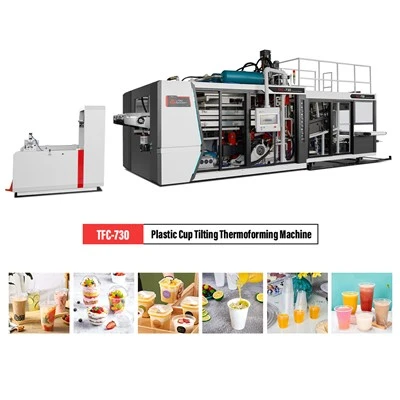
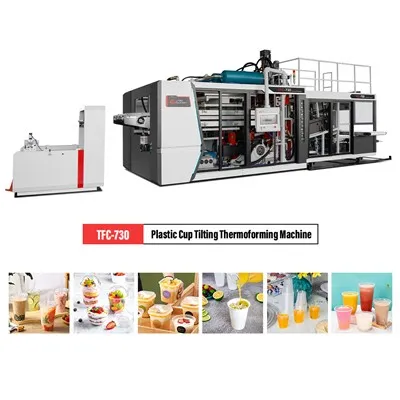
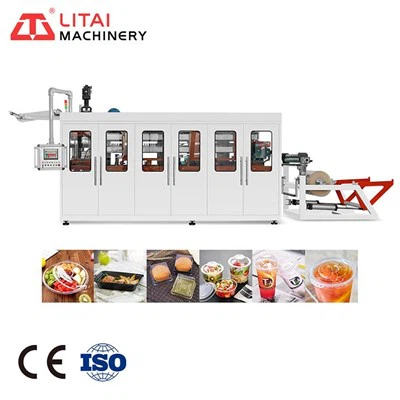
Thermoforming is a process used to shape plastic sheets into desired forms. Here's a general overview of how plastic thermoforming is carried out:
Material selection: Choose a suitable plastic sheet material for thermoforming based on the desired properties of the final product, such as strength, flexibility, transparency, or heat resistance. Common plastics used for thermoforming include polyethylene terephthalate (PET), polypropylene (PP), polystyrene (PS), and polyvinyl chloride (PVC).
Heating: The plastic sheet is heated until it reaches a pliable state. This can be done using various methods such as radiant heat, convection heat, or infrared heating elements. The temperature and heating time depend on the type and thickness of the plastic being used.
Forming: Once the plastic sheet is heated and softened, it is transferred to the forming station of the thermoforming machine. The forming station typically consists of a mold or set of molds that determine the shape of the final product. The molds can be made from materials like aluminum or steel and may have a vacuum system or mechanical means to aid in the forming process.
Vacuum or pressure application: In vacuum forming, the heated plastic sheet is placed over the mold, and a vacuum is applied to draw the sheet onto the mold cavity. The vacuum helps to conform the plastic to the shape of the mold. In pressure forming, in addition to the vacuum, air pressure is applied to the backside of the plastic sheet to further shape it and achieve more complex forms.
Cooling: Once the plastic sheet has taken the shape of the mold, it is cooled down rapidly to solidify and retain its form. Cooling can be accomplished through a combination of air cooling, water cooling, or contact with cooled surfaces.
Trimming and finishing: After cooling, excess plastic material or flash is trimmed or cut away from the formed product. This can be done manually or through automated trimming processes. Any additional finishing operations, such as hole punching, embossing, or edge trimming, may also be performed as needed.
Product handling: The finished thermoformed products are then stacked, collected, or further processed according to the specific requirements. They may undergo additional steps such as printing, labeling, packaging, or assembly, depending on the intended use.
It's important to note that the exact process and machine configurations can vary depending on the specific type of thermoforming machine and the complexity of the product being formed. Additionally, different thermoforming techniques such as vacuum forming, pressure forming, or twin-sheet forming may require specific adjustments and considerations during the process.