1. Principles and applications of thermoforming
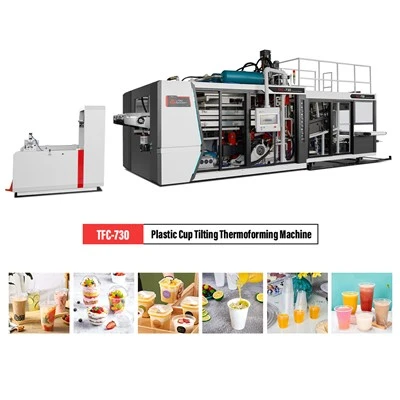
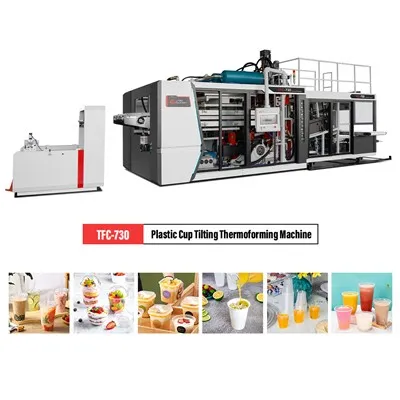
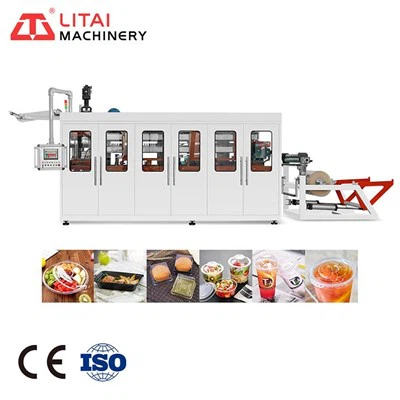
Thermoforming uses the principle of high-temperature thermodynamics to heat the material to above the melting point or deformation temperature, and applies a certain force to make it flow, so as to achieve the purpose of shape forming. Thermoforming technology is widely used in the manufacturing process of materials such as plastics, metals and ceramics. Its application areas include engineering, construction, automobiles, aviation, electronics and many other fields.
2. What materials can be produced by thermoforming?
1. Plastic materials
Thermoforming is one of the most common methods in plastic processing, and can produce plastic products of various shapes, such as food packaging bags, car shells, mobile phone shells, etc. Commonly used plastic processing methods include extrusion molding, injection molding, blow molding and hot pressing molding.
2. Metal materials
Metal thermoforming is widely used in automobile manufacturing, aerospace, mechanical processing and other fields. Commonly used metal thermoforming methods include forging, rolling, stretching, extrusion, etc., and the metal products produced include various parts, components, wheels, etc.
3. Ceramic materials
Ceramic thermoforming is a production method that forms clay pottery by heating the mold. This method is mainly used in the production of ceramic tableware, decorations, vases and other ceramic products. During the thermoforming process, the pottery mold needs to be heated to an appropriate temperature and a certain pressure is applied in the mold to make the clay flow and compact into shape.
3. Summary
Thermoforming is a very common method in material processing and can be applied to the processing of a variety of materials such as plastics, metals and ceramics. Different thermoforming methods are suitable for the manufacturing process of different materials and can produce materials of various shapes to meet the needs of different fields.