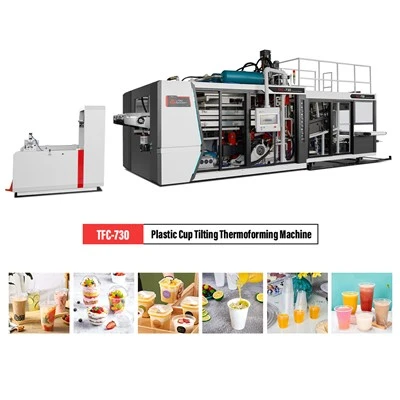
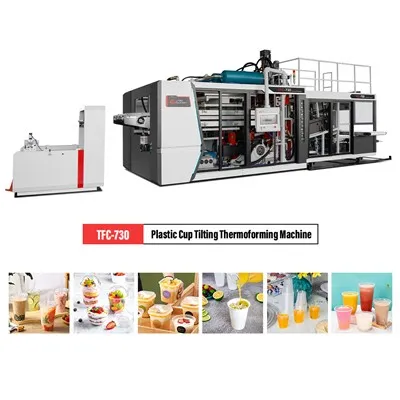
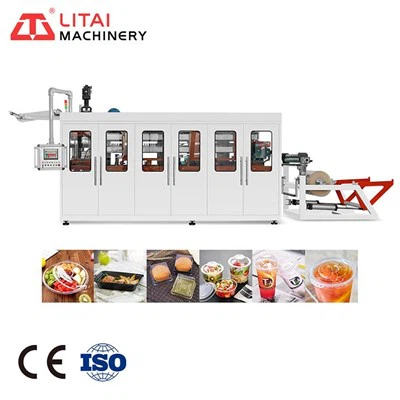
Cup thermoforming machines are core equipment in the modern manufacturing industry and are widely used in the manufacturing process of many cups. By heating the plastic sheet to form a cup of a specific shape, it successfully meets the market's demand for high-quality and multi-type cups. However, in view of the intensification of the global energy crisis and the enhancement of environmental protection awareness, energy conservation and emission reduction have become core issues in the current social environment. For cup thermoforming machines, how to effectively reduce energy consumption and emissions not only affects the company's economic returns, but is also closely related to environmental protection and the long-term sustainable development of society.
The main sources of energy consumption of cup thermoforming machines
The energy consumption of cup thermoforming machines mainly comes from the following aspects:
- In the heating system, the heating process of the heating components and the mold is the main energy consumption link. During the heating process, in order to keep the heating elements and the mold at a high temperature, a large amount of electricity or heat is required to ensure that the plastic sheet can be smoothly formed.
- In the power system, such as motors and transmission devices, a certain amount of energy will also be consumed during its operation. When these devices drive the various parts of the thermoforming machine to move, they will generate a certain amount of energy consumption.
- About the control system: When the control system is in operation or standby mode, it will also consume a certain amount of energy. Although this part of the energy consumption is relatively low, its importance cannot be ignored in a long-term operating environment.
- Other auxiliary tools, such as cooling systems and exhaust systems, play a key role in the thermoforming process, but they also consume a certain amount of energy
How to evaluate the energy efficiency of the cup thermoforming machine
In order to accurately evaluate the energy efficiency of the cup thermoforming machine, we can use the following methods:
- The energy consumption ratio is defined as: the ratio of the energy consumed by the equipment in a unit of time to the number of products it produces. By calculating the energy consumption ratio of the equipment, we can more intuitively grasp its energy consumption status.
- Energy consumption per unit of output: By analyzing the energy consumption of each unit of product during the production process, we can more accurately measure the energy efficiency of the equipment.
- Energy utilization rate is defined as: the ratio of the energy actually used by the equipment to the energy it inputs. Improving energy efficiency is considered to be an efficient means of reducing energy consumption.
- In terms of energy efficiency assessment, both at home and abroad, a complete set of assessment and certification standards have been established, such as ISO 50001 Energy Management System and China Energy Efficiency Label. These established standards and systems provide solid scientific support for assessing the energy efficiency of equipment.
Potential problems of cup thermoforming machines in energy conservation and emission reduction
Although cup thermoforming machines play an important role in the manufacturing industry, there are still some potential problems in energy conservation and emission reduction:
- As the equipment age increases, its working performance will gradually decrease, and energy consumption and emissions will also increase.
- Technological lag: Current technology may have inherent limitations, which may cause the equipment to fail to meet expectations in terms of energy consumption and emissions.
- Improper operation: The technical ability of operators and their operating methods have a significant impact on the energy consumption and emissions of equipment. Improper operation may not only lead to increased energy consumption and emissions, but also cause damage to the equipment.
- Management errors: The management ability of an enterprise will directly determine its energy conservation and emission reduction results. If the management is improper, energy conservation and emission reduction measures may not be effectively implemented.
What effective energy-saving and emission-reduction measures can be applied to cup thermoforming machines
In response to the problems of energy conservation and emission reduction in cup thermoforming machines, we can take the following measures:
- In order to optimize the heating system, we have introduced efficient heating components and intelligent temperature control systems, which help to greatly improve the efficiency of heating and reduce energy consumption. At the same time, by reasonably controlling the temperature and duration of heating, unnecessary energy loss can also be effectively reduced.
- In order to optimize the production process, we can reduce energy consumption and emissions in production by improving the design of molds and improving production efficiency. For example, by using more advanced mold materials and design solutions, the energy consumption of molds in the heating and cooling stages can be significantly reduced; by optimizing production efficiency, we can shorten the standby time of equipment, thereby effectively reducing energy consumption.
- In order to improve the working efficiency and stability of equipment, we need to strengthen the maintenance and updating of equipment, which can effectively reduce energy consumption and emissions. For example, regular maintenance and repair of equipment helps to ensure that it always remains in the best working condition; through continuous technological updates and upgrades, we have the ability to introduce more energy-saving and environmentally friendly equipment.
- Use renewable energy: If the environment and conditions permit, renewable energy such as solar energy and wind energy can be used as an alternative to traditional energy to reduce energy consumption and emissions. This type of renewable energy is not only environmentally friendly and sustainable, but also can create a certain degree of economic value for the company.
- Adopt a circular economy strategy: By recycling and reusing waste materials and reducing waste emissions, we can achieve resource recycling and reduce environmental pollution. For example, recycling and reusing discarded plastic sheets can help reduce dependence on new materials and waste of resources; by reducing waste emissions, we can reduce pollution to the ecological environment.
How will the energy consumption and emissions of the cup thermoforming machine change after implementing energy-saving and emission-reduction measures
After implementing energy-saving and emission-reduction measures, the energy consumption and emissions of the cup thermoforming machine will change significantly:
- In order to significantly reduce the energy consumption of the equipment, we can achieve this by improving the heating system, optimizing the production process and improving the working efficiency of the equipment. Doing so will not only create a certain degree of economic benefits for the company, but also help slow down excessive energy consumption and environmental pollution.
- In order to reduce emissions, we have adopted renewable energy and circular economy strategies, which help reduce the waste gas and wastewater generated by the equipment during the manufacturing process. This helps to improve the quality of the environment and protect our ecological balance.
- From an economic perspective, although energy-saving and emission-reduction measures may require additional capital investment, in the long run, these strategies will bring significant economic returns to the company. Enterprises can reduce their expenditures on energy and environmental protection by reducing energy consumption and emissions, thereby enhancing their overall market competitiveness.
- Social benefits: Implementing energy-saving and emission-reduction measures can not only promote the sustainable development of enterprises, but also have a positive impact on the entire society. By reducing energy use and emissions, we have the ability to face challenges such as the global energy crisis and climate change together, thereby promoting the sustainable development of society.
Cup thermoforming machines do have problems with energy consumption and emissions, but by implementing a series of energy-saving and emission-reduction strategies, we have the ability to significantly reduce their energy consumption and emissions. These recommended measures can not only help enterprises enhance their economic returns and market competitiveness, but also bring positive effects to society. Therefore, we must be highly aware of the criticality and urgency of energy conservation and emission reduction work, and actively promote the implementation and implementation of relevant policies. In the future, we must continue to research and innovate more energy-saving and emission-reducing technologies and methods to make greater contributions to the sustainable development of cup thermoforming machines and environmental protection.