Background and Significance
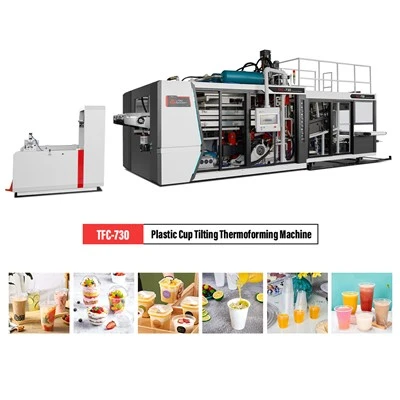
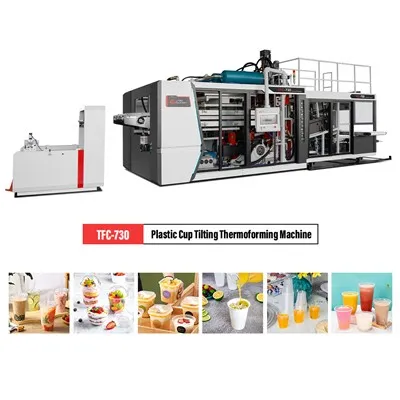
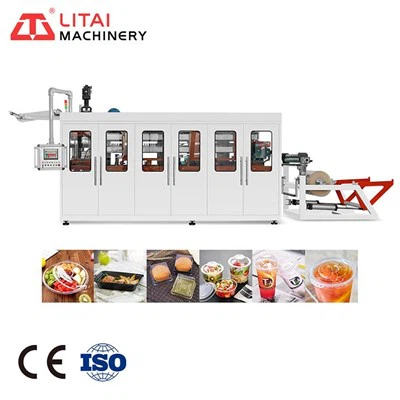
Thermoforming is a critical plastic processing technology widely utilized across manufacturing sectors such as packaging, automotive, and home appliances. As global emphasis on environmental protection and sustainable development intensifies, the high energy consumption of thermoforming operations has become increasingly prominent. Excessive energy usage not only escalates production costs for enterprises but also imposes severe environmental burdens, including increased greenhouse gas emissions and excessive depletion of energy resources. Consequently, reducing energy consumption during thermoforming processes holds significant practical value-enhancing corporate economic efficiency while advancing environmental conservation and sustainable development.
Research Objectives
- This study aims to develop practical energy-saving strategies for thermoforming machinery through comprehensive analysis of its production processes. Key approaches include:
- Optimizing heating systems
- Improving mold design
- Adjusting operational parameters
- Selecting appropriate energy sources
- Implementing heat recovery and reuse technologies
The overarching goal is to reduce energy consumption by 10-30%, enhance energy utilization efficiency, and establish replicable methodologies for industry-wide adoption.
Energy Consumption Proportion and Optimization Methods for Thermoforming Machine Heating Systems
Heating System Energy Consumption Analysis
Industry reports and production data indicate that heating systems account for 30-50% of total energy consumption in plastic thermoforming machines. This significant share stems from the process requirement to heat plastic sheets to specific temperatures (typically 140-180°C) for optimal plasticity during forming. Substantial energy is expended both in heating the sheets and maintaining system temperatures, making heating system optimization critical for overall energy reduction.
Methods for Optimizing Heating Efficiency
- High-Efficiency Heating Elements
Implementing advanced heating technologies significantly improves thermal efficiency. Infrared heating offers rapid, uniform heating by directly targeting the sheet surface, minimizing conductive heat losses. Induction heating utilizes electromagnetic principles to generate heat within elements themselves, achieving notable energy savings. Studies in China Plastics Industry journal confirm these technologies reduce heating energy consumption by 15-25% while accelerating production cycles.
- Intelligent Temperature Control Systems
Precision temperature regulation prevents energy waste from overheating or insufficient heating. PID control algorithms dynamically adjust power output based on real-time temperature deviations, ensuring rapid stabilization at setpoints. Emerging AI-enhanced systems analyze historical data to predict thermal behavior, proactively modulating power for enhanced stability (±0.5°C tolerance). Research in automation engineering demonstrates such systems lower heating energy usage by 8-12% while improving product consistency.
- Thermal Insulation Applications
Strategic application of insulation materials (rock wool, fiberglass, aluminum silicate) reduces heat dissipation. When installed on oven exteriors and doors, these materials maintain surface temperatures below 45°C, cutting ambient heat losses by 40-60%. Materials science literature documents 10-20% system energy reductions through optimized insulation deployment.
The Impact of Mold Design on Energy Consumption and Improvement Strategies
Impact of Mold Design on Energy Consumption
Mold structure significantly influences energy usage in plastic thermoforming machines. Suboptimal runner design increases flow resistance in molten plastic, necessitating higher pressure and temperature for material movement-directly elevating energy demand. Wall thickness uniformity also critically affects efficiency; inconsistent thickness causes uneven shrinkage during forming, leading to defects while prolonging heating/cooling cycles. Case studies in Mold & Die Industry confirm optimized mold structures reduce thermoforming energy consumption by 18-22% and improve cycle efficiency.
Energy-Saving Mold Design Improvements
Runner Design Optimization
Streamlined runners minimize flow resistance and heating requirements. Implementing hydrodynamic profiles facilitates smooth polymer flow, reducing viscous energy dissipation. Precision-dimensioned runners avoid stagnation zones and abrupt contractions, enhancing flow efficiency. Hot runner systems further prevent material solidification in channels, boosting material utilization by 15-30% and cutting energy waste.
Lightweight Mold Materials
High-strength aluminum alloys or composite materials decrease mold mass by 20-30%, directly reducing drive energy consumption. These materials maintain structural rigidity while enabling faster mold movements, lowering energy expenditure during clamping/ejection phases by 10-15% as validated in Journal of Materials Processing Technology.
Modular Mold Architecture
Interchangeable mold modules enable rapid product changeovers, slashing setup time and associated energy waste. Standardized components allow reconfiguration within minutes, reducing machine idle time by ≥50%. Industrial engineering research confirms modular systems decrease changeover energy consumption by approximately 20% while increasing equipment utilization rates.
The Impact of Operating Parameter Adjustment on Energy Consumption
Analysis of Key Operational Parameters
Operational parameters such as temperature, pressure, and speed have a significant impact on the energy consumption and forming quality of plastic thermoforming machines. Excessively high temperatures can cause plastic degradation, affecting product quality while increasing energy consumption. Conversely, too low a temperature reduces the fluidity of the plastic, making it difficult to form, which requires increasing pressure and time to ensure forming quality, thereby escalating energy use. Excessive pressure not only increases equipment energy consumption but may also damage the mold; insufficient pressure prevents the plastic from fully filling the mold cavity, impacting product quality. (Excessively fast speed) may lead to incomplete plastic forming and defects, while too slow a speed prolongs the production cycle and increases energy consumption. Experimental data and industry manuals indicate that reasonably adjusting operational parameters can effectively reduce energy consumption while ensuring forming quality.
Parameter Optimization Strategies
- Temperature Control
Adopting segmented heating or local heating technologies can achieve more precise temperature control and reduce energy consumption. Segmented heating divides the heating process into multiple stages, setting different heating temperatures and durations at each stage according to the plastic's properties and forming requirements. This ensures uniform heating of the plastic and avoids local overheating or underheating. Local heating, meanwhile, targets specific parts of the mold for heating, reducing unnecessary heating areas and energy consumption.
- Pressure Regulation
Dynamic pressure control can help minimize energy consumption. This approach automatically adjusts the pressure based on the plastic's real-time state during the forming process. In the initial stage of mold filling, higher pressure can be applied to ensure rapid plastic filling; during the cooling and shaping stage, the pressure can be appropriately reduced to save energy. A paper in Plastic Machinery journal notes that dynamic pressure control can reduce energy consumption by 15%–20%.
- Speed Matching
Optimizing the forming cycle to balance efficiency and energy consumption is a key strategy for reducing energy use. By reasonably adjusting parameters such as mold opening/closing speed, heating rate, and cooling rate, the forming cycle can be optimized to its best state. Under the premise of ensuring product quality, shortening the forming cycle as much as possible improves production efficiency while reducing energy consumption. Production management cases show that optimizing the forming cycle can lower energy consumption by 10%–15%.
Energy Type Selection and Alternative Solutions
Energy Consumption Comparison of Different Energy Types
Energy sources such as electricity, natural gas, and biomass energy each have distinct advantages and disadvantages in their application to plastic thermoforming machines. Electricity offers benefits like ease of use, high control precision, and zero pollution, though its cost is relatively high. Natural gas is characterized by lower costs and high calorific value, but it generates certain pollutant emissions during combustion. Biomass energy, as a renewable resource, boasts environmental friendliness and sustainability, yet current supply and utilization technologies for biomass still face certain limitations. Energy economics research indicates significant differences in energy consumption and costs among different energy types, prompting enterprises to select appropriate energy sources based on their specific circumstances.
Energy-Saving Alternative Solutions
- Renewable Energy Sources
Renewable energy sources such as solar and wind power can serve as auxiliary heating systems for plastic thermoforming machines. For instance, solar collectors can be used to harness solar energy and convert it into thermal energy for preheating plastic sheets or assisting in heating furnaces. Wind energy can generate electricity via wind turbines to supply part of the equipment's power needs. New energy technology reports highlight that the application of renewable energy can effectively reduce reliance on traditional energy sources, cutting both energy consumption and environmental pollution.
- Hybrid Energy Systems
Integrating multiple energy sources to build hybrid energy systems can enhance the flexibility and reliability of energy utilization. For example, combining electricity and natural gas allows for flexible switching between energy types based on energy prices and equipment operational demands. Electricity is prioritized when prices are low, while natural gas can be used as a backup energy source during supply shortages. Energy engineering cases demonstrate that hybrid energy systems can reduce energy costs by 10%–20% while improving the stability of energy supply.
Waste Heat Recovery and Reuse Technology
Sources of Waste Heat and Recovery Potential
During the production process of plastic thermoforming machines, significant amounts of waste heat are generated by components such as heating systems and cooling systems. After heating plastic sheets, part of the heat from the heating system dissipates into the surrounding environment; when cooling formed plastic products, the cooling system carries away substantial heat. Thermodynamic research data show that these waste heat streams have enormous recovery potential-through reasonable recycling and reuse technologies, energy consumption can be significantly reduced.
Waste Heat Recovery Technologies
Heat Exchangers
Heat exchangers are common waste heat recovery devices that can repurpose waste heat for preheating raw materials or heating other equipment. For example, waste heat from the heating system can be transferred via a heat exchanger to plastic sheets about to enter the heating furnace, raising their initial temperature and reducing the furnace's heating time and energy consumption. Meanwhile, heat exchangers can also use waste heat from cooling systems to heat domestic water or other production water, achieving cascading utilization of energy. A study in the Energy Saving Technology journal shows that using heat exchangers can reduce energy consumption by 15%–25%.
Heat Pump Systems
Heat pump systems can upgrade low-temperature waste heat to higher temperature grades for reuse. By consuming a small amount of electricity, heat pump systems transfer heat from low-temperature heat sources to high-temperature heat sources. In plastic thermoforming machines, low-temperature waste heat from cooling systems can serve as the low-temperature heat source for heat pump systems, which then upgrade it to a temperature suitable for preheating raw materials or assisting in heating furnaces. Heat pump technology papers indicate that applying heat pump systems can increase waste heat recovery efficiency by 30%–50%.
Energy Storage Technologies
Energy storage technologies can store waste heat for use during off-peak periods. For instance, phase-change energy storage materials can be used to store waste heat, which is then released during nighttime or low-energy-demand periods for heating or thermal insulation. Energy storage engineering cases demonstrate that these technologies balance energy supply and demand, improve energy utilization efficiency, and reduce energy consumption.
Conclusions and Prospects
Summary of Research Achievements
This study presents a series of energy-saving strategies for plastic thermoforming machines through in-depth analysis of the production process, covering aspects such as heating systems, mold design, operating parameters, energy types, and waste heat recovery technologies. Optimizing the heating system by adopting high-efficiency heating elements, intelligent temperature control systems, and thermal insulation materials can significantly improve heating efficiency and reduce energy consumption. Improving mold design through optimized flow channel design, lightweight mold materials, and modular mold design can minimize energy use during the forming process. Adjusting operating parameters-reasonably controlling temperature, pressure, and speed-can reduce energy consumption while ensuring forming quality. Selecting appropriate energy types, such as renewable energy and hybrid energy systems, can lower energy costs and environmental impact. Applying waste heat recovery and reuse technologies, including heat exchangers, heat pump systems, and energy storage technologies, can fully utilize waste heat generated during production to enhance energy efficiency.
Future Research Directions
In the future, with the continuous development of intelligent control technologies, new material technologies, and cross-disciplinary integrations, the energy-saving potential of plastic thermoforming machines will be further unlocked. Intelligent control technologies will enable automated operation and optimized control of equipment, further improving energy utilization efficiency. The application of new material technologies, such as novel thermal insulation materials and high-efficiency heating materials, will provide more possibilities for energy conservation. Cross-disciplinary integration-such as combining information technology, energy technology, and plastic thermoforming technology-will drive the plastic thermoforming industry toward a more sustainable and efficient direction. Reviews of cutting-edge technologies indicate that future energy-saving research on plastic thermoforming machines will place greater emphasis on technological innovation and system integration, contributing significantly to achieving sustainable development.