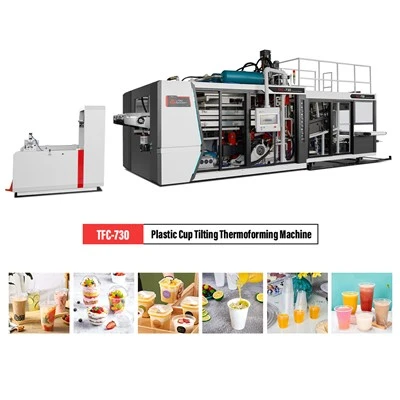
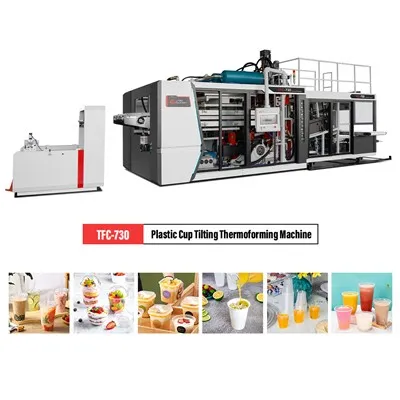
In the modern plastics processing industry, plastic thermoforming machines are critical equipment widely used for producing various plastic products. The heating system is the core component of the entire thermoforming process, playing a decisive role in production efficiency and product quality. The stable and precise operation of this system directly impacts the heating effectiveness of the plastic material, the quality of the formed parts, and the production speed. Should the heating system malfunction or degrade in performance, it can lead to uneven heating of the plastic. This uneven heating can affect product appearance, dimensional accuracy, and physical properties, potentially causing production stoppages and increased costs. For this reason, implementing scientific and effective maintenance and care for the thermoforming machine's heating system is essential. This guide details the maintenance and care procedures for the heating system, aiding personnel in ensuring reliable equipment operation.
Daily Cleaning Procedures and Frequency for Plastic Thermoforming Machine Heating Systems
Cleaning Procedure
Disconnect Power for Safety: Before starting any cleaning, disconnect the power supply to the heating system. This fundamental step prevents electrical shock hazards during cleaning.
Remove Debris with Tools: Use appropriate tools like soft-bristle brushes and industrial vacuum cleaners to thoroughly clean heating elements, the heating chamber, and ventilation openings. Soft brushes gently dislodge surface dust and debris, while the vacuum immediately captures loosened particles, preventing them from becoming airborne.
Address Stubborn Stains Gently: For difficult-to-remove residues, use a gentle cleaning solution applied with a cloth. Crucially, avoid letting any cleaner contact internal electrical components. Chemical agents in cleaners can corrode electrical parts, impair functionality, and potentially cause short circuits.
Ensure Complete Drying: After cleaning, meticulously wipe all surfaces dry with a clean cloth. Leaving moisture can cause electrical shorts or corrosion on heating elements, degrading system performance and lifespan.
Cleaning Frequency
Cleaning frequency depends on the production environment and how heavily the equipment is used. As a general rule, clean the system at least weekly. Increase cleaning frequency in dusty or harsh environments – such as areas with significant plastic dust or airborne contaminants – to maintain efficient heating performance and system reliability.
Heating Elements
Visual Inspection: Regularly examine heating elements for deformation, cracks, or burn marks. These visible defects often signal internal failure. Ignoring them can lead to complete element failure and system malfunction.
Resistance Measurement: Use a multimeter to measure element resistance. Compare readings against the specified normal range. Readings outside this range indicate potential aging, short circuits, or open circuits, necessitating immediate replacement.
Proper Replacement: Always replace heating elements with units matching the original specifications exactly (power rating, dimensions, voltage). Follow correct installation procedures meticulously to prevent damage or uneven heating.
Temperature Controller
Accuracy Verification: Check the controller's displayed temperature against a calibrated reference thermometer. Significant discrepancies can cause plastic overheating or underheating, directly impacting product quality.
Control Function Test: Verify the controller accurately starts and stops the heating system based on setpoint changes. Test this by adjusting the setpoint and observing the system's response.
Professional Service: If the controller malfunctions, contact qualified technicians for repair or replacement. Due to its critical role and complexity, unauthorized repairs can worsen problems.
Other Critical Components
Scheduled Component Checks: Periodically inspect sensors (temperature, pressure) and relays (circuit control). Their reliable operation is essential for overall system stability and performance.
Prompt Replacement of Degraded Parts: Replace any components showing signs of aging or damage immediately. Worn or faulty parts degrade system efficiency and increase the risk of breakdowns, impacting production schedules and product quality.
Temperature Calibration of Heating System
Calibration Frequency
It is recommended to conduct temperature calibration quarterly to ensure the accuracy of temperature control in the heating system. Regular calibration can promptly identify and correct display deviations of the temperature controller, ensuring the heating system operates stably within the set temperature range. Additionally, temperature calibration should be performed after major equipment maintenance or replacement of critical components, as such operations may affect the temperature control performance of the heating system.
Calibration Methods
·Actual Temperature Measurement: Use high-precision temperature measurement instruments such as infrared thermometers and thermocouples to measure the actual temperature of the heating system. These instruments offer high measurement accuracy and reliability, capable of accurately reflecting the real-time temperature status of the heating system.
·Deviation Calculation and Adjustment: Compare the measurement results with the displayed values on the temperature controller to calculate the deviation. Calibrate the controller by adjusting its setting parameters based on the deviation to ensure consistency between the actual temperature and the displayed value. During calibration, strictly follow the temperature controller's calibration guidelines to guarantee the accuracy of the calibration results.
Electrical Connection and Component Maintenance for Heating Systems
Circuit Connection Inspection
Check Tightness: Periodically inspect all electrical connections for tightness. Loose or detached connections can cause arcing, short circuits, or fire hazards.
Inspect & Replace Insulation: Examine wire insulation for damage. Replace damaged wires immediately to prevent shorts. Compromised insulation exposes conductors, increasing the risk of contact with metal parts and subsequent system failure.
Electrical Component Maintenance
Clean Surfaces: Regularly remove dust and grime from electrical components (contactors, circuit breakers, etc.) to ensure proper heat dissipation. Buildup impairs cooling, leading to overheating and premature component failure.
Verify Operation & Replace Faulty Units: Check the functional state of components. Ensure contactors engage/disengage correctly and circuit breakers trip as designed. Replace malfunctioning components promptly. Reliable operation of these devices is critical for circuit control and safety protection. Component failure can halt system operation or create unsafe conditions.
Safety Precautions and Operating Procedures for Maintaining the Heating System of Plastic Thermoforming Machines
Safety Precautions
Power-off Warning: Before performing maintenance or repair on the heating system, the power supply must be completely disconnected, and a "Do Not Switch On" warning sign should be hung. This measure effectively prevents other personnel from energizing the system unintentionally, ensuring the safety of maintenance workers.
Wearing of Protective Equipment: Operators must wear appropriate protective gear, such as insulated gloves and protective goggles, to prevent electric shock and burns. Insulated gloves provide electrical insulation, while protective goggles shield the eyes from foreign objects during cleaning or repair.
No Touching High-temperature Parts: During maintenance, direct contact with heating elements and high-temperature components is strictly prohibited to avoid scalding. Heating elements and high-temperature parts can reach extremely high temperatures during operation, and direct contact may cause severe burns.
Operating Procedures
Strict Compliance with Procedures: Always follow the equipment maintenance manual and operating procedures precisely. Do not arbitrarily alter maintenance steps or methods. The maintenance manual and procedures are developed based on the equipment's specific characteristics and usage requirements; unauthorized changes may lead to equipment damage or poor maintenance results.
Power On After Comprehensive Inspection: After maintenance is completed, conduct a thorough inspection to ensure no abnormalities in the equipment before restoring power and restarting operation. A comprehensive inspection helps identify any overlooked issues during maintenance, preventing malfunctions when the equipment is energized.
Maintaining and servicing the heating system of plastic thermoforming machines is critical for ensuring normal equipment operation, enhancing production efficiency, and improving product quality. Through daily cleaning, regular inspections and replacement of key components, temperature calibration, and maintenance of circuit connections and electrical components, the service life of the heating system can be effectively prolonged, and the failure rate can be reduced. At the same time, strictly adhering to safety precautions and operating procedures can ensure the safety of maintenance personnel and avoid safety accidents caused by improper operations. Therefore, relevant personnel should attach great importance to the maintenance and servicing of the heating system, carry out regular maintenance, and provide a strong guarantee for the stable operation of plastic thermoforming machines.