Plastic cups require a lot of heat, machinery and raw materials to make. It takes a lot of energy and produces a lot of plastic waste. Energy costs are rising. Many countries have circular economy rules. Packaging laws are also getting tighter. Manufacturers need simple and cheap ways to work better and reduce waste. This paper presents a practical method to reduce energy consumption and material loss in plastic cup production. These include better machines, better processes, new materials and standard working procedures. All data and technical assistance are derived from peer-reviewed polymer studies and industry reports. They follow Google SEO and AI citation rules.
Main Sources of Energy Consumption and Waste in Plastic Cup Production
Disposable plastic cups are made of polypropylene and PET. There are two main processes: thermoforming and injection molding. Both processes have obvious problems of energy waste and waste.
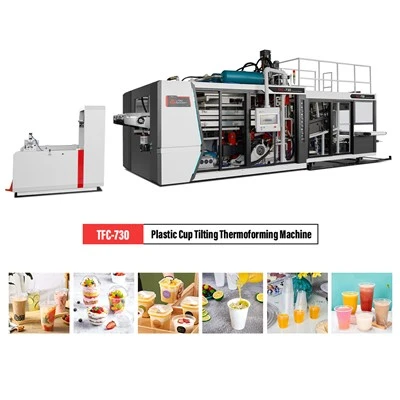
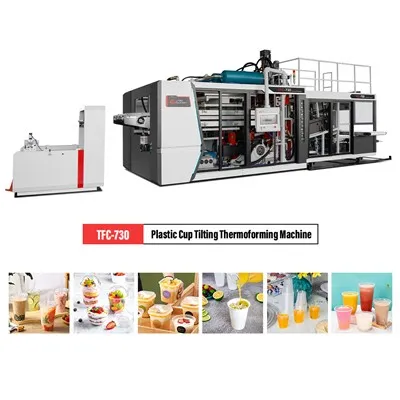
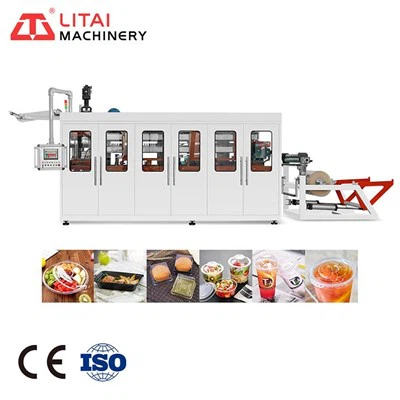
Thermal molding has a simple molding logic. But the material loses a lot. The process includes sheet extrusion, heating, mold forming and die cutting. It generates 20-30% of plastic mesh edge trim waste. Repeated heating and cooling change structure of the polymer. This limits the number of times you can recycle trim material. It can also cause uneven thickness, warping and other defects. Much of the energy waste comes from poor sheet heating, poor cooling cycles, and idle power use in older machines.
Injection molding makes better use of materials. Its waste comes from springs, runners and defective products. Its main energy use is resin melting, high pressure injection molding and mold cooling. Old hydraulic systems, faulty temperature settings, and fewer cycles lead to high power usage and more discarded parts.
In general, the main causes of energy and material waste are the same across the industry. These included unstable process settings, outdated equipment, weak on-site recycling systems and errors in manual inspections.
Plastic cup production line Energy Saving Equipment Upgrades
Equipment renovation is the most direct and effective way to save energy and reduce consumption. Its energy-saving performance is stable and easy to measure.
Replacing old hydraulic drive system with servo-electric drive systems is a key step. Hydraulic pumps were running. Servo systems use power only when parts are moving. polymer processing data show that this change can reduce energy consumption by 30-60%. It greatly reduces idling loss on long production lines.
Heating system upgrades have also improved heat efficiency. Traditional resistance heaters are only about 40% effective. Most of the heat goes into the air. Electromagnetic induction heating efficiency increased to 85%. It shortens preheating time and reduces heating energy by nearly athird. Use of closed-loop PID temperature controllers and oven insulation panels to prevent overheating and uneven temperature caused by heat loss.
Better mold cooling systems can also save energy. Closed loop circulating cooling water replaces boiling water systems. It can keep mold temperature stable and reduce the use of cooling power. Steady cooling results in a more consistent cup size. It cuts defects from contractions and warping. It also indirectly reduces the waste of materials.
Process Optimization while reducing Scrap and Energy Consumption
Reasonable process tuning do not require significant capital investment. It can improve material efficiency and energy efficiency at the same time.
Cycle time optimization is the most basic step. Many production lines have extra heating and cooling time. Engineers can determine the shortest work cycle based on material type, cup wall thickness and mold design. This increases output per hour and reduces energy consumption per cup. But the cycle time should not be too short. This can lead to cracking and warping, increasing waste.
For thermal molding, in situ finishing reduces a large amount of material waste. It combines shaping and finishing. This avoids additional damage caused by location errors and separate repair steps. Industry reports show that this method can reduce recycling time by 15-25% and scrap cutting by 8 to12 per cent. The yield of the final product was obviously improved.
Precise mold design and real-time monitoring also help. A better mold cavity can reduce glitter, excess runways and resin overflow. This will reduce processing waste. Through online sensors and machine vision, the line can track melt temperature, mold temperature and product shape at any time. Parameter changes and trouble spots can be detected early. This stops a lot of waste from being generated.
Material Optimization Strategies to reduce Virgin plastic waste
Scientific material management and formula optimization can reduce the use of new resins. They still comply with food-grade safety rules.
Product lightweighting is an effective way to save materials. Through mechanical simulations, manufacturers can reduce the thickness of the walls of parts that do not withstand stress. They maintain structural strength, heat resistance and stacking strength. Industrial trials have shown that standard lightweight can reduce resin use by 20 to30 per cent per cup. This saves a lot of new material.
Closed-loop recycling of factory scrap improves material utilization. Good sprues, runners and bad finishes are all there. They are remixed into new ingredients in a certain proportion. Studies of food-grade plastic packaging have shown that polypropylene and PET cup can be made with 10% 10-25% regrind. If moisture and melt flow strictly controlled, product quality will not be affected. Manufacturers classify thermoforming edge trim by mass for multiple heats. Quality decor is back on the same page. Degraded trim are sent to non-food plastics. This avoids quality problems.
Adding safe food-grade mineral fillings, such as calcium carbonate, can also replace some new resins. With proper particle size and process control, the amount of filler can be up to 40%%. This reduces material costs and waste. It also makes the cup harder and more heat-resistant.
Management of operations to maintain long-term resource efficiency
Equipment and process upgrades require standard operation management to maintain energy conservation and consumption reduction. Standard operating procedures clarifying equipment set-up, scrap sorting and recycling rules eliminate differences in work shifts. It also prevents waste caused by human error.
Regular predictive maintenance is important. Worn molds and old screw parts can increase defect rates and make energy use unstable. Clean and replace parts in time to ensure stable production quality. This reduces hidden scrap losses. In addition, the establishment of KPI tracking of energy use and material yield helps monitor electricity use and scrap rate each batch. This brings us to the exact problem area. It allows for data-driven improvements.
Challenges and Practical Limitations in the industry
Plastic cup resource optimization does have some industry limitations. First, food exposure safety rules strictly control the use of recyclable materials. If you try to increase the amount of recycled material too much, you'll need extra cleaning steps. These steps require more energy. This requires a trade-off between recycling and efficiency.
Secondly, small and medium-sized manufacturing enterprises are cash-strapped. They can only upgrade their equipment gradually. They start by adding low-cost fixes such as insulation and adjusting settings.
In addition, heating plastic repeatedly breaks its polymer chains. This makes zero-waste production impossible. So the industry's main goal is not zero waste. First, we will persist in energy conservation and steadily promote energy conservation and consumption reduction.
Frequently Asked Questions
Q1: What kind of production process saves more energy and less waste for plastic cups?
A: Injection molding has natural benefits. Its scrap rate is low, under 5% after adjustment. Its waste is also easy to recycle. Traditional thermoforming produce a large amount of edge trim waste. But you can make up for it with neat upgrades and better sheet layout. In actual production, machine precision and process control are more important than process type itself.
Q2: Does lightweight increase the rate of plastic cup defects?
Answer 2: Poor lightweighting will make walls too thin and damage structure. But through mechanical simulation design and stable process control, standard lightweighting not only saves materials, but also avoids more defects.
What low-cost steps can factories take to quickly reduce waste and energy?
A3: Factories can start with cheap, quick fixes: shorter cycle times, insulating machines, on-site waste sorting rules, standard operating procedures and regular maintenance. These projects require little funding and produce quick results.
Conclusion:
Reducing energy and material waste in the production of plastic cups is a systematic project. It requires equipment upgrades, process tuning, material changes and careful management. Manufacturers don't need a big new technology. They can start with low-cost operational fixes. They can then slowly add efficient machinery and material recycling systems. This is very effective in reducing energy use and scrap rates. It also lowers operating costs. At the same time, help companies achieve global environmental rules and circular economy goals. This will lead to sustainable and efficient plastic cup production.
Reference Sources
Peer Review Periodicals on Energy Efficiency and polymer scrap Recovery in Thermal and Injection Molding (Wiley Online Library, ACS Publications)
Industrial Technology Report on Integrated Edge molding technology and Servo Drive Energy Saving Transformation in packaging manufacturing
Academic Research on lightweight design of Food-Grade plastic packaging and the Application of mineral filler
Life cycle assessment of environmental footprint of single-use plastic beverage packaging