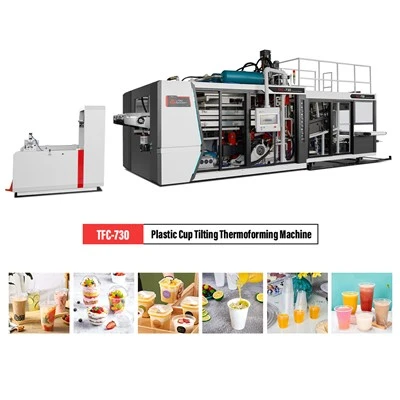
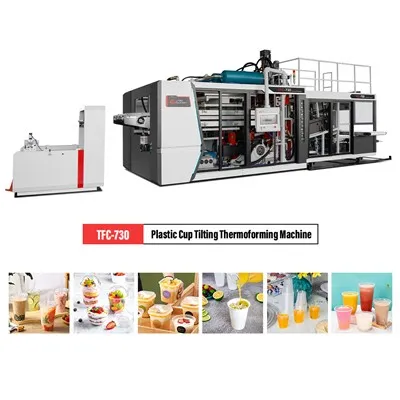
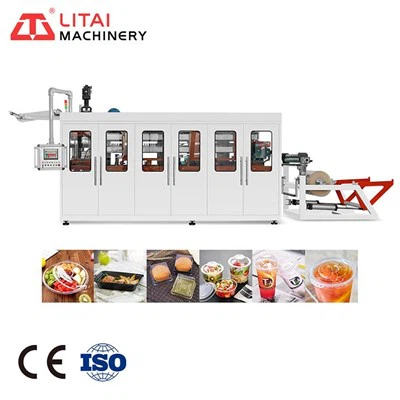
Thermoforming and molding are both manufacturing processes used to shape plastic materials, but they differ in their techniques and applications. Here are the key differences between thermoforming and molding:
Process:
Thermoforming: Involves heating a plastic sheet until it becomes pliable, then stretching or forming it over a mold, and finally cooling it to create the desired shape.
Molding: Involves melting plastic material and injecting or pressing it into a mold cavity, where it cools and solidifies to take the shape of the mold.
Heating Method:
Thermoforming: The plastic sheet is heated externally using methods such as infrared heaters, convection ovens, or other heating elements.
Molding: The plastic material is heated internally using methods such as injection molding or compression molding.
Tooling:
Thermoforming: Typically involves less expensive tooling (molds) compared to molding. The molds used in thermoforming are less complex and often made from less expensive materials.
Molding: Requires more complex and durable molds, which can be expensive to produce. However, once the mold is created, it can be used for high-volume production.
Material Thickness:
Thermoforming: Well-suited for thin-gauge materials, making it suitable for products like packaging, trays, and disposable items.
Molding: Can handle both thin and thick materials, making it suitable for a wide range of applications, including thick-walled products.
Production Volume:
Thermoforming: Suitable for both low and high-volume production. It is often used for medium to large production runs but can also be economical for short runs.
Molding: Best suited for high-volume production due to the cost of creating molds. The initial setup cost is high, but per-unit costs decrease with larger production quantities.
Types of Products:
Thermoforming: Commonly used for products like packaging, automotive components, consumer goods, and custom parts.
Molding: Used for a wide range of products, including intricate components, household items, automotive parts, and industrial components.
In summary, while both thermoforming and molding are plastic shaping processes, thermoforming is often preferred for applications with lower production volumes and when cost-effective tooling is essential. Molding is typically chosen for high-volume production and when precise and intricate shapes are required.