Background
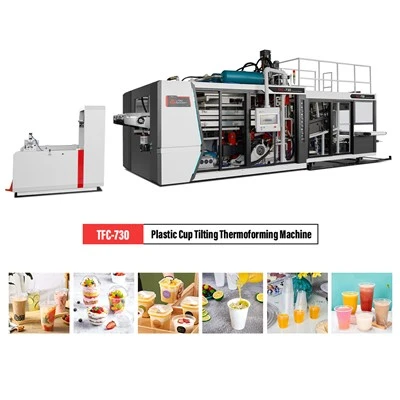
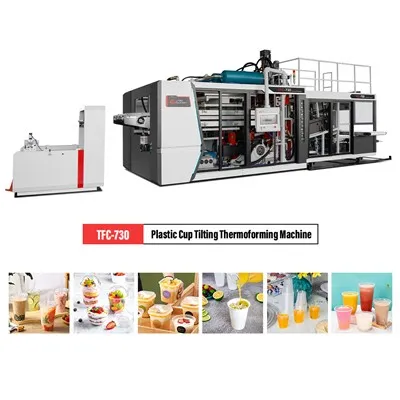
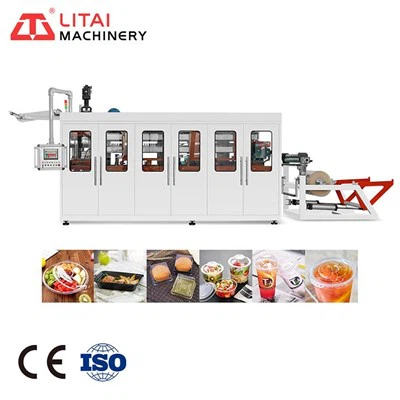
Thermoforming machines play a crucial role in industrial production, extensively utilized across packaging, automotive, electronics, and other sectors. These machines heat plastic sheets until pliable, then form them into diverse product shapes using molds. The heating system serves as the core component, where precise temperature control directly determines product quality and production efficiency. Inaccurate temperature regulation may cause uneven heating of plastic sheets, leading to defects such as warping and uneven thickness distribution. These issues compromise product performance and appearance while reducing production efficiency and increasing manufacturing costs.
Research Objective
Investigating precision temperature control methods for thermoforming machine heating systems carries significant practical importance. By thoroughly examining each system component-including heating elements, temperature sensors, control algorithms, thermal insulation measures, and strategies for mitigating environmental disturbances-this research aims to establish a theoretical basis and technical guidance for enhancing production quality and efficiency. Such advancements will drive continuous technological development and innovation within this field.
Types of heating elements commonly used in the heating system of plastic thermoforming machines and their functions
Common types of heating elements
- Resistance wire heater
The resistance wire heater is one of the commonly used heating elements in the heating system of plastic thermoforming machines. Its working principle is based on the Joule heating effect generated when current passes through the resistance wire, converting electrical energy into thermal energy. The resistance wire is usually made of alloy materials with high resistivity, such as nickel-chromium alloy. In the heating system, the resistance wire heater provides basic heat for the plastic sheet. By controlling the current size and power-on time, the power output of the heater can be adjusted to achieve control of the heating temperature of the plastic sheet.
- Infrared heater
The infrared heater uses the principle of infrared radiation heating to convert electrical energy into infrared energy and directly act on the surface of the plastic sheet. The infrared heater has the characteristics of fast heating speed and uniform heating. It can increase the surface temperature of the plastic sheet in a short time and achieve fast and uniform heating effect. This is especially important for some plastic thermoforming processes that have high requirements for heating speed and surface quality, which can effectively shorten the production cycle and improve product quality.
- Other heating elements (such as microwave heaters, etc.)
Microwave heaters are also used in some special plastic thermoforming processes. Microwave heaters use the interaction between microwaves and plastic molecules to cause plastic molecules to vibrate and rub, thereby generating heat. Microwave heating has the advantages of fast heating speed and selective heating, but the equipment cost is high and the technical requirements are relatively complex. It is usually suitable for some special plastic materials or products that have extremely high requirements for heating speed and heating uniformity.
The role of heating elements in precise temperature control
- Heat generation and control
Different types of heating elements generate or adjust heat output according to the instructions of the control system. For example, the resistance wire heater controls the heating power by adjusting the size of the current. When the temperature needs to be increased, the current is increased to make the resistance wire generate more heat; conversely, when the temperature needs to be lowered, the current is reduced. Infrared heaters can control heat output by adjusting the intensity and exposure time of infrared radiation. By accurately controlling the heat output of the heating element, it can be ensured that the plastic sheet reaches the set temperature during the heating process, and precise temperature control can be achieved.
- Coordination of local heating and overall heating
The layout of heating elements in the heating system is crucial to achieve uniform heating of different parts of the plastic sheet or precise heating of specific areas. In some processes that require local heating, the temperature of a specific area can be higher than that of other areas by properly arranging the heating elements, thereby achieving precise heating effects. In the overall heating process, the heating elements should be evenly distributed to ensure that all parts of the plastic sheet can receive enough heat to achieve uniform heating. By coordinating local heating and overall heating, the requirements of different plastic thermoforming processes can be met and the molding quality of the product can be improved.
Content reference source: This part of the content mainly refers to the introduction of heating element types in "Plastic Thermoforming Technology and Application" (assuming the name of the book), as well as the technical manuals of relevant plastic thermoforming machine
Arrangement of temperature sensors in the heating system of plastic thermoforming machines and their impact on precise temperature control
Types of temperature sensors
- Thermocouple
Thermocouple is a commonly used temperature sensor, and its working principle is based on the thermoelectric effect. When there is a temperature difference between the two different metal conductors or semiconductor ends of the thermocouple, a thermoelectric potential will be generated, and the temperature can be determined by measuring the magnitude of the thermoelectric potential. In the heating system, the commonly used thermocouple types are K-type, S-type, T-type, etc. Different types of thermocouples have different temperature measurement ranges and accuracies, which can be selected according to actual needs.
- Thermal resistor
Thermocouple is another common temperature sensor, and its temperature measurement principle is based on the property that the resistance of metal or semiconductor changes with temperature. Commonly used thermal resistor materials include platinum, copper, etc. Among them, platinum resistor has the advantages of high precision and good stability, and is widely used in high-precision temperature measurement occasions. Thermal resistors reflect temperature changes by measuring changes in resistance values, and have the characteristics of high measurement accuracy and good linearity.
Arrangement of temperature sensors
- Arrangement near heating elements
Arranging temperature sensors near heating elements can indirectly reflect the overall status of the heating system. By monitoring the temperature near the heating elements, the control system can timely understand the working conditions of the heating elements and adjust the power output of the heating elements according to the temperature feedback. For example, when the temperature near the heating element is too high, the control system can reduce the heating power to prevent the heating element from being damaged by overheating, and also prevent the plastic sheet from being deformed due to overheating.
- Arrangement at different positions of plastic sheets
It is of great significance to arrange temperature sensors at key parts of plastic sheets, such as the edge and center. The edge may have a relatively low temperature due to faster heat dissipation, while the center may have a relatively high temperature due to heat accumulation. By arranging temperature sensors at these positions, the temperature information of different parts of the plastic sheet can be obtained in real time, and the heating strategy can be adjusted according to these temperature feedbacks to ensure that all parts of the plastic sheet can reach the set temperature and achieve uniform heating.
The influence of arrangement on precise temperature control
- Accuracy of temperature measurement
The sensor arrangement position has an important influence on the accuracy of temperature measurement. If the sensor is not properly positioned, the measured temperature may deviate from the actual temperature, thus affecting the temperature control accuracy. For example, if the sensor is placed close to the heating element but far away from the plastic sheet, it may measure too high a temperature, causing the control system to mistakenly believe that the plastic sheet has reached the set temperature, thereby reducing the heating power prematurely and causing the actual temperature of the plastic sheet to be lower than the set temperature. Therefore, the key to ensuring the accuracy of temperature measurement is to choose the sensor placement position reasonably.
- Temperature control response speed
The sensor placement method will also affect the response speed of the temperature control system to temperature changes. If the sensor is placed in a position that can quickly reflect temperature changes, such as the key part of the plastic sheet, the control system can obtain temperature change information in time and quickly adjust the power output of the heating element to achieve rapid temperature control. On the contrary, if the sensor is not properly positioned, it may cause a delay in the transmission of temperature change information, slowing down the response speed of the temperature control system and affecting the molding quality of the product.
Content reference source: This part of the content refers to the chapter on the placement and application of temperature sensors in "Sensor Principles and Applications" (assuming the name of the textbook), as well as the technical documents of the manufacturer of plastic thermoforming machines.
Temperature control algorithm or principle and precise adjustment implementation method of the heating system of plastic thermoforming machine
Common temperature control algorithms
- PID control algorithm
PID control algorithm is a classic control algorithm widely used in the field of industrial control. Its principle is based on the combined effect of three links: proportional (P), integral (I), and differential (D). The proportional link adjusts the power output of the heating element proportionally according to the size of the temperature deviation (the difference between the set temperature and the actual temperature); the integral link is used to eliminate the steady-state error of the system. By integrating the temperature deviation, the heating power is continuously adjusted to make the actual temperature gradually approach the set temperature; the differential link predicts the temperature change trend according to the rate of change of the temperature deviation, adjusts the heating power in advance, and improves the response speed and stability of the system. In the heating system of the plastic thermoforming machine, the PID control algorithm can automatically adjust the power output of the heating element according to the feedback signal of the temperature sensor to achieve precise temperature control.
- Fuzzy control algorithm (if applicable)
Fuzzy control algorithm is a control method based on fuzzy logic, which is suitable for processing complex and nonlinear heating systems. It fuzzifies the input variables (such as temperature deviation, temperature deviation change rate) and output variables (heating power adjustment), establishes a fuzzy rule base, makes inferences and decisions based on fuzzy rules, and finally obtains precise control output. The fuzzy control algorithm does not need to establish a precise mathematical model, and can make adaptive adjustments based on the actual operation of the system. It has advantages in dealing with some heating systems that are difficult to describe mathematically. However, in the current plastic thermoforming machine heating system, PID control algorithm is still the mainstream, and fuzzy control algorithm is relatively rarely used.
The principle of temperature control algorithm to achieve precise adjustment based on temperature feedback
- Temperature feedback mechanism
The temperature sensor converts the collected temperature signal into an electrical signal and transmits it to the control system. The control system processes and analyzes the received temperature signal, compares it with the set temperature value, and obtains the temperature deviation. The temperature feedback mechanism is the basis for the temperature control algorithm to achieve precise adjustment. By obtaining temperature information in real time, the control system can timely understand the operating status of the heating system and adjust the power output of the heating element according to the temperature deviation.
- Algorithm adjustment process
Taking the PID control algorithm as an example, the system automatically adjusts the power output of the heating element according to the temperature deviation and the rate of change of the deviation. When the temperature deviation is large, the proportional link plays a major role, quickly increasing or decreasing the heating power, so that the actual temperature quickly approaches the set temperature; as the temperature deviation decreases, the integral link gradually plays a role, eliminating the steady-state error of the system, so that the actual temperature is more stably close to the set temperature; the differential link adjusts the heating power in advance according to the rate of change of the temperature deviation to prevent overshoot or oscillation of the temperature. Through the synergistic effect of the three links, the PID control algorithm can achieve precise temperature control.
Content reference source: This part mainly quotes the detailed introduction of the PID control algorithm in "Automatic Control Theory" (assuming the name of the textbook), as well as the technical documents and research results of the control system of the plastic thermoforming machine.
Insulation measures of the heating system of the plastic thermoforming machine and their auxiliary role in precise temperature control
Common insulation measures
- Heating cavity insulation materials
The types of insulation materials used in the heating cavity are various, and the common ones are rock wool, aluminum silicate fiber, etc. Rock wool has good thermal insulation and fireproof properties, and its price is relatively low. It is widely used in the insulation of heating chambers. Aluminum silicate fiber has higher temperature resistance and lower thermal conductivity, and is suitable for some high-temperature heating occasions. These insulation materials can effectively reduce the heat loss from the heating chamber to the surrounding environment, improve heat utilization, and reduce energy consumption.
- Thermal insulation design between heating elements and plastic sheets
By designing the insulation layer, the heat loss from the heating element to the surrounding environment can be reduced, and the heat utilization rate can be improved. The insulation layer is usually made of high-temperature resistant and good thermal insulation materials, such as ceramic fiberboard, aerogel felt, etc. The design of the insulation layer can ensure that more heat generated by the heating element is transferred to the plastic sheet, reducing the loss of heat during the transmission process, thereby achieving more efficient heating and more accurate temperature control.
- Other insulation measures (such as sealing structure, etc.)
The sealing structure of the heating system also plays an important role in insulation. A good sealing structure can prevent cold air from entering the heating chamber and reduce heat loss. For example, sealing strips and gaskets are used to seal the doors and interfaces of the heating cavity to ensure that a relatively closed heating environment is formed inside the heating cavity, which is conducive to maintaining a stable temperature and improving the temperature control accuracy.
The auxiliary role of insulation measures in precise temperature control
- Reducing heat loss
Insulation measures can significantly reduce the energy consumption of the heating system and reduce temperature fluctuations caused by heat loss. By reducing the loss of heat to the surrounding environment, the heating system can more effectively transfer heat to the plastic sheet, so that the plastic sheet can reach the set temperature more stably during the heating process, which is conducive to achieving precise temperature control. At the same time, reducing energy consumption can also reduce production costs and improve the economic benefits of the enterprise.
- Stable heating environment
Insulation measures create a relatively stable temperature environment for the heating of plastic sheets. In a stable temperature environment, the heating process of plastic sheets is more uniform and the temperature changes more slowly, which is conducive to improving the consistency of product quality. A stable heating environment can also reduce problems such as deformation and inconsistent thickness of plastic sheets caused by temperature fluctuations, and improve the molding quality and production efficiency of products.
Source of content: This part of the content refers to "Performance and Application of Insulation Materials" (assumed data name), as well as the design instructions and practical experience of plastic thermoforming machine manufacturers.
Interference of environmental factors on the precise temperature control of the heating system of plastic thermoforming machines and countermeasures
Possible interference caused by environmental factors
- Changes in workshop temperature
Increases or decreases in workshop temperature will affect the heat dissipation and temperature control accuracy of the heating system. When the workshop temperature rises, the heat dissipation rate of the heating cavity to the surrounding environment slows down, which may cause the temperature inside the heating cavity to rise and exceed the set temperature; conversely, when the workshop temperature decreases, the heat dissipation rate accelerates, which may cause the temperature inside the heating cavity to drop below the set temperature. Changes in workshop temperature will also affect the measurement accuracy of the temperature sensor, further affecting the temperature control accuracy.
- Humidity changes
Humidity also has a potential impact on the performance of the heating element and the measurement accuracy of the temperature sensor. A high humidity environment may cause condensation on the surface of the heating element, affecting the heat dissipation effect and heating efficiency of the heating element. At the same time, humidity changes may also affect the sensitivity and measurement accuracy of the temperature sensor, resulting in deviations in temperature measurement, thereby affecting the temperature control effect.
- Other environmental factors (such as air flow, etc.)
Air flow may take away the heat of the heating cavity, resulting in unstable temperature. For example, ventilation equipment, doors and windows in the workshop may cause air flow, affecting the temperature distribution inside the heating cavity. Air flow will also accelerate heat loss, causing the heating system to consume more energy to maintain the set temperature, increasing energy consumption and production costs.
Measures for the system to deal with environmental interference
- Temperature compensation algorithm
The control system can automatically adjust the heating parameters to maintain the set temperature according to the changes in environmental factors such as workshop temperature through the temperature compensation algorithm. The temperature compensation algorithm monitors the ambient temperature in real time, establishes a mathematical model between the ambient temperature and the heating parameters, and automatically adjusts the heating power, heating time and other parameters according to the changes in the ambient temperature to ensure that the plastic sheet can reach the set temperature during the heating process and achieve precise temperature control.
- Environmental monitoring and control linkage
By installing environmental monitoring equipment, such as temperature sensors, humidity sensors, etc., the environmental parameters can be obtained in real time and linked with the control of the heating system. When environmental parameters change, the environmental monitoring equipment transmits signals to the control system, and the control system automatically adjusts the heating parameters according to the preset rules to achieve more accurate temperature control. For example, when the workshop temperature rises, the control system automatically reduces the heating power; when the humidity changes, the control system corrects the temperature measurement results according to the humidity change to improve the temperature control accuracy.
- Equipment structure optimization
Optimization from the equipment structure, such as adding insulation layers and improving sealing structures, can reduce the interference of environmental factors on the heating system. Adding insulation layers can effectively reduce the heat exchange between the heating cavity and the surrounding environment, and reduce the impact of workshop temperature changes on the heating system; improving the sealing structure can prevent cold air from entering the heating cavity, reduce the impact of air flow on temperature, and improve the stability and temperature control accuracy of the heating system.
Content reference source: This part of the content refers to "The Impact and Control of Environmental Factors on Industrial Equipment" (assuming the name of the book), as well as the case analysis and solutions of plastic thermoforming machines in actual production.
Conclusion
Summary
The key factors for achieving precise temperature control in the heating system of plastic thermoforming machines include heating elements, temperature sensors, control algorithms, insulation measures, and measures to deal with environmental interference. The heating elements provide suitable heating conditions for plastic sheets through reasonable layout and precise control of heat output; the temperature sensors accurately measure temperature information and feed back to the control system through reasonable layout; the control algorithm automatically adjusts the heating parameters according to temperature feedback to achieve precise temperature control; insulation measures reduce heat loss, stabilize the heating environment, and improve temperature control accuracy; measures to deal with environmental interference ensure that the heating system can operate stably under different environmental conditions and achieve precise temperature control.
Looking to the future
With the continuous advancement of science and technology, the precise temperature control technology of the heating system of plastic thermoforming machines will develop in a more intelligent and efficient direction. In the future, more advanced control algorithms may appear, such as control algorithms based on artificial intelligence, which can be adaptively adjusted according to the real-time operation data and historical data of the heating system to achieve more accurate and faster temperature control. At the same time, the research and development and application of new insulation materials will further improve the insulation performance of the heating system and reduce energy consumption. In addition, the integration of the heating system with other production links will continue to improve, realizing the automation and intelligent control of the entire production process, bringing new opportunities and challenges to the development of the plastic thermoforming industry.