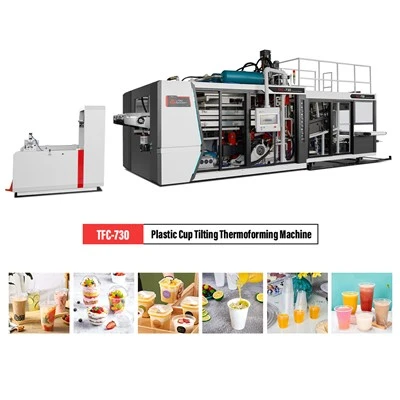
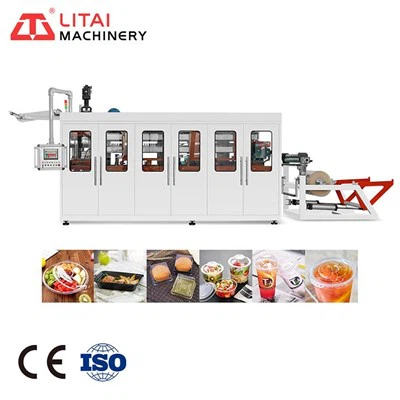
The injection molding machine has two basic components: an injection device and a mold clamping device for melting and sending plastic to the mold. The function of the clamping device is to: (1) close the mold under the injection pressure; (2) take out the product.
The injection device melts the plastic before it is injected into the mold, and then controls the pressure and speed to inject the melt into the mold. The injection device currently used has two designs: screw preplasticizer or two-stage device, and reciprocating screw. The screw pre-plasticizer uses a pre-plasticizing screw (first stage) to send the molten plastic to the injection rod (second stage).
The advantages of the screw preplasticizer are constant melt quality, high pressure and high speed, and precise injection volume control (using mechanical thrust devices at both ends of the piston stroke). These advantages are exactly what is needed for transparency, thin-walled products and high production rates. Its disadvantages include uneven residence time (causing material degradation), higher equipment costs and maintenance costs.
The commonly used reciprocating screw injection device does not need a plunger to melt and inject the plastic. The powdery or granular plastic in the hopper is melted and sent to the non-reversal room at the front end of the screw through the rotating screw. The plastic fluid flows through the front end of the screw and accumulates in the front of the screw. The accumulation of molten plastic in the front of the screw pushes the screw to the rear of the injection device. The rotation of the screw, the accumulation of melt and the movement to the rear continue until a certain injection volume is formed. In the next equipment working cycle, the screw tip is closed to prevent the material from returning along the screw. The function of the screw tip and the feed screw is like an injection plunger, pressing the plastic into the mold.
The advantages of the reciprocating screw include reduced plastic residence time, self-cleaning screw and screw tip. These advantages are the key to cleaning up the screw and barrel when processing heat-sensitive materials and when using colored raw materials or resin varieties are changed.
At present, the widely used mold clamping device designs include: toggle lever mold clamping device, hydraulic mold clamping device and hydraulic-mechanical mold clamping device. The toggle-type mold clamping device is suitable for small-tonnage equipment in view of its low cost during manufacturing. Its characteristics include the high mechanical efficiency of the locking operation, the built-in clamping slowing device, the slow mold damage and the fast mold clamping operation.
It should be noted that the important factors in plastic processing include: temperature, consistency, color distribution and melt density. Both the conduction heat generated by the barrel temperature and the mechanical heat generated by the screw rotation contribute to the processing of high-quality melt. A common situation is that most of the energy used to melt the plastic is obtained through the rotation of the screw.