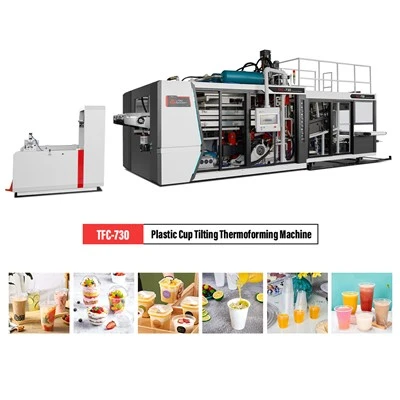
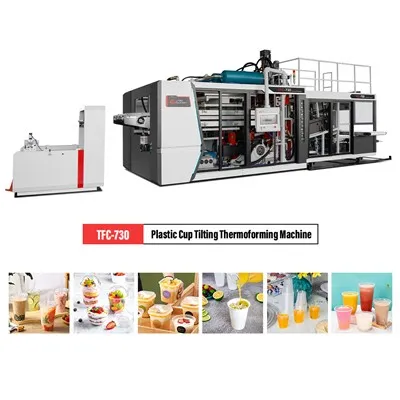
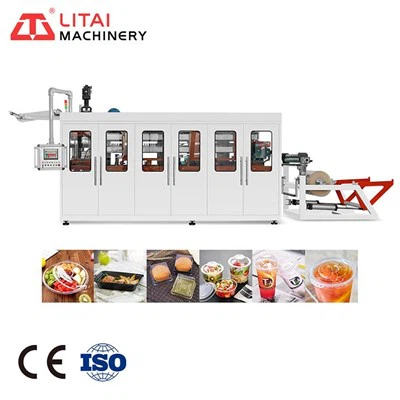
A plastic sheet machine changes raw plastic into flat sheets. You put the plastic into the machine. The machine melts the plastic with heat. It shapes the plastic using pressure. There are many steps in this process. These steps are feeding, melting, extrusion, shaping, cooling, and post-processing. Modern factories use these machines for better quality. They also help make more sheets quickly. Automation and digital tools help you work faster. They also help you save energy. New technology lets you make more detailed designs. This helps people be creative and work better.
Key Takeaways
- Plastic sheet machines change raw plastic into flat sheets. They do this in steps: feeding, melting, shaping, cooling, and cutting.
- Important parts like the extruder, die head, and cooling system work together. They help make sure the sheets are smooth and good quality.
- It is important to keep materials moving at the right speed. The temperature must also be correct during extrusion. This helps stop problems in the finished sheets.
- Picking the best plastic and machine can help make more sheets faster. It also makes the sheets better. This is very important for companies.
- Automation and new technology help plastic extrusion go faster. They save energy and let people make more detailed designs.
Plastic Sheet Machine Components
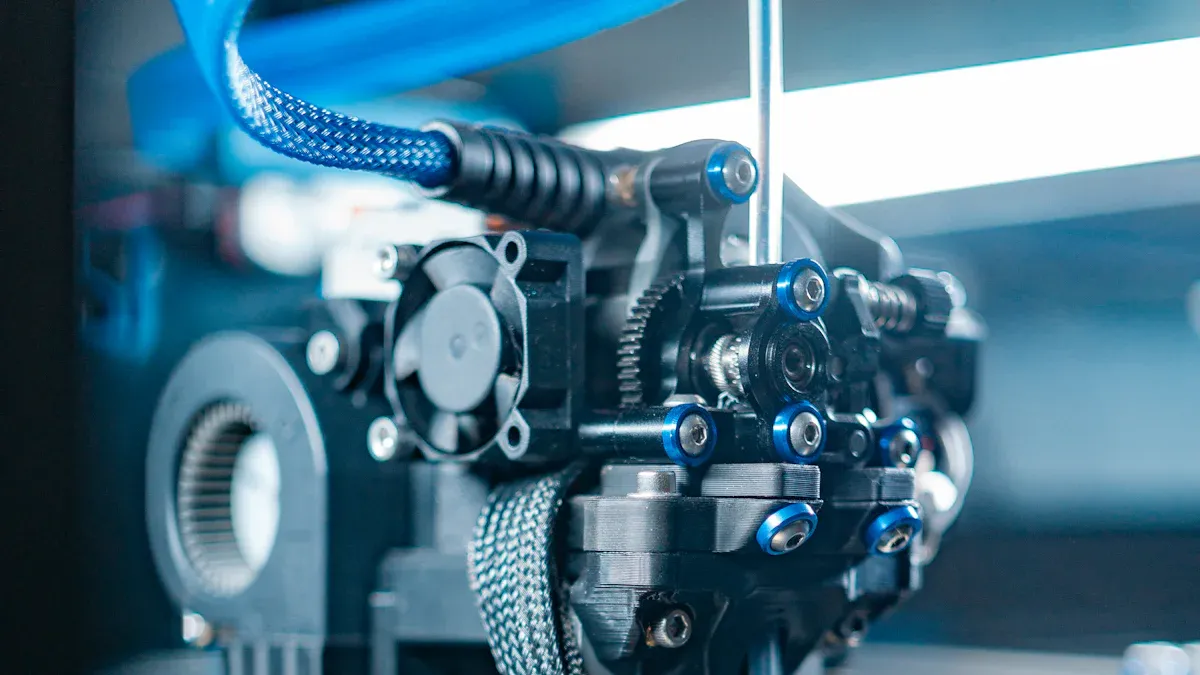
A plastic sheet machine uses several important parts to turn raw plastic into smooth, flat sheets. Each part has a special job in the plastic extrusion process. You can see how these parts work together in the table below:
|
Component |
Function |
|---|---|
|
Extruder |
Melts and mixes plastic raw materials using heat and pressure. |
|
Die Head |
Shapes melted plastic into a flat, continuous sheet, setting width and thickness. |
|
Calendering Unit |
Smooths and shapes the sheet, making sure thickness is even and adding textures if needed. |
|
Cooling System |
Cools the sheet to make it solid and keep its shape. |
|
Haul-off Unit |
Pulls the sheet at a steady speed for even thickness and surface quality. |
|
Cutting Unit |
Cuts the sheet into set lengths or rolls it up. |
|
Winding Unit |
Collects finished sheets for packaging and shipping. |
Feeding and Hopper System
You start the plastic extrusion process by feeding plastic materials into the hopper. The hopper holds and releases the plastic pellets or scraps into the plastic extruder. The design of this system matters a lot. If the hopper does not feed the material steadily, you might see uneven thickness or defects in your plastic sheets. Most hoppers use stainless steel, and some have insulation to handle hot or dried materials. You can feed many types of plastic, such as:
- Pre-crushed heavy rigid scraps (like bottles or pipes)
- Soft packaging materials (like film flakes, PP raffia, or PE foam)
Some hoppers have a dual wall with insulation and an aluminum outer layer. This helps keep the material at the right temperature and prevents clogs.
Tip: A steady flow from the hopper helps you get smooth, even plastic sheets every time.
Extruder and Heating Unit
The plastic extruder is the heart of the plastic sheet machine. It uses a long screw inside a heated barrel to melt and mix the plastic. As the screw turns, it pushes the plastic forward, heating it with both friction and outside heaters. The screw design is important. A good screw melts the plastic evenly and mixes it well. The shape and speed of the screw affect how well the plastic melts and blends.
You need to keep the right temperature in each part of the extruder. Here is a chart showing the typical temperature ranges for each section:
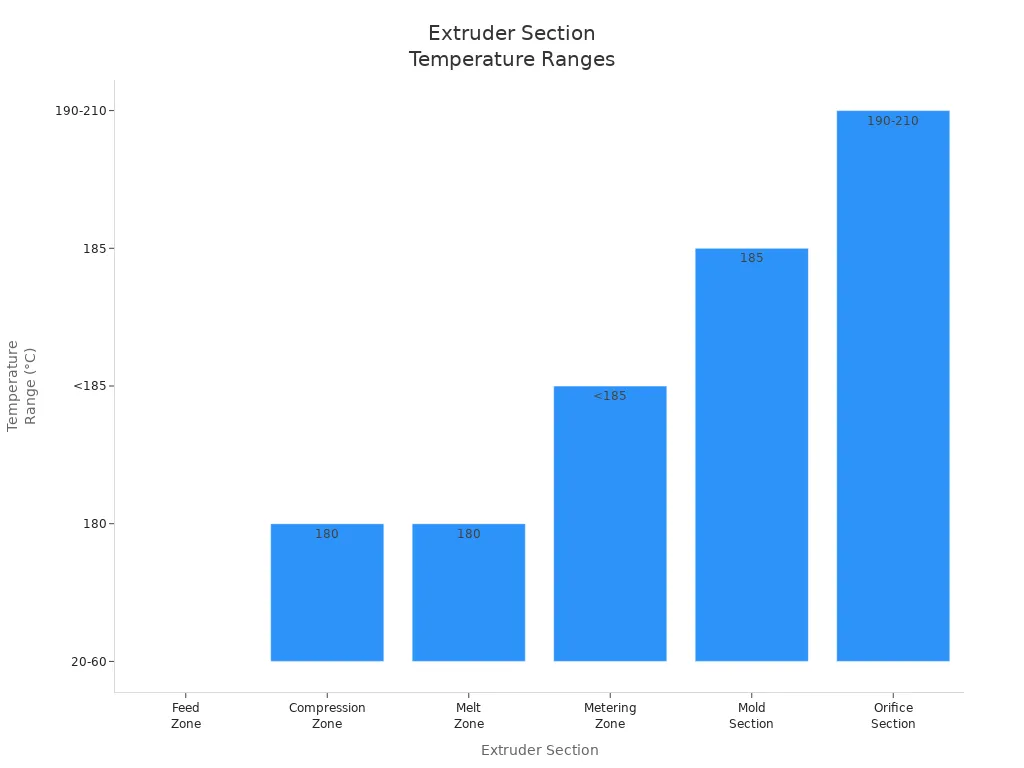
- Feed section: above 185°C
- Compression and melt sections: around 180°C
- Metering section: less than 185°C
- Mold section: about 185°C
- Orifice section: 190°C - 210°C
If you use the right screw and keep the right temperature, your plastic melts smoothly and comes out ready for shaping.
Flat Die and Shaping Section
After melting, the plastic moves to the flat die. The die shapes the hot, soft plastic into a wide, flat sheet. You can control the width and thickness here. The die must spread the plastic evenly so the sheet does not have thin or thick spots. Right after the die, the sheet passes through the calendering unit. This unit uses rollers to smooth the sheet and make sure it is the same thickness everywhere. Sometimes, you can add textures or patterns at this stage.
Cooling and Calibration
Once the sheet leaves the shaping section, it is still hot and soft. You need to cool it quickly to keep its shape. There are two main ways to cool the sheet:
- Air cooled chilling: Uses fans to blow air over the sheet. This works for small jobs but is slow for big jobs.
- Water cooled chilling: Runs cold water around the sheet or rollers. This cools the sheet faster and works better for large amounts.
Calibration is also important. You use special sensors and measuring tools to check the thickness of the sheet. If the sheet is too thick or thin, the machine can adjust itself right away. This keeps your plastic sheets accurate and within tight limits.
|
Calibration Method |
Purpose |
|---|---|
|
Non-contact gauges |
Measure sheet thickness instantly |
|
Automated feedback system |
Adjusts machine settings to correct thickness deviations |
|
Tool calibration |
Keeps machines working with high precision |
Take-Up and Cutting
The take-up system pulls the cooled sheet forward at a steady speed. If you pull too fast or too slow, the sheet can stretch or shrink, changing its strength and thickness. You can use different cutting systems to finish the sheet:
- Laser cutting machines for very precise cuts
- Waterjet cutting machines for clean edges
- CNC routers for shapes and patterns
- Mechanical cutters for simple, straight cuts
The speed of the take-up system also affects the final properties of your plastic sheets. If you run the machine too fast, the plastic might lose strength or become less flexible. If you keep the speed steady and right for your material, you get strong, even sheets every time.
Note: Choosing the right take-up speed and cutting method helps you get the best quality from your plastic extrusion process.
Plastic Extrusion Process

Image Source: unsplash
The plastic extrusion process changes raw plastic into strong, flat sheets. You use a plastic sheet machine to guide the material through several steps. Each stage shapes the plastic and improves its quality. Let's look at each step in detail.
Material Feeding
You begin the plastic extrusion process by preparing the raw materials. Most often, you use plastic pellets or granules. The quality of these pellets matters a lot. If you choose pure and uniform pellets, your plastic sheets will have better strength and flexibility. The size and purity of the pellets affect how well they melt and mix in the plastic extruder.
Here are the most common plastics you might use in the material feeding stage:
- Polyethylene (PE)
- Polypropylene (PP)
- Polyvinyl chloride (PVC)
- Polystyrene (PS)
- Acrylonitrile butadiene styrene (ABS)
- Polyamide (PA)
- Polycarbonate (PC)
You load these materials into the hopper of the plastic sheet machine. The hopper feeds the plastic into the plastic extruder at a steady rate. If the flow is not steady, you might see defects in the final sheet.
Tip: Always check the quality of your plastic pellets before starting the extrusion process. Good pellets help you avoid problems later.
Melting and Plasticizing
Once the plastic enters the plastic extruder, the screw inside the barrel starts to turn. The screw pushes the plastic forward while heaters warm the barrel. The plastic melts and becomes soft and sticky. This stage is called plasticizing.
You must control the temperature in each zone of the plastic extruder. Here is a table showing typical temperatures:
|
Zone |
Temperature (°C) |
|---|---|
|
Feed Zone |
160 |
|
Metering Zone |
180-200 |
|
Die |
190-210 |
You also need to watch the screw speed, which usually ranges from 30 to 100 rpm. The right speed helps the plastic melt evenly. If you go too fast, the plastic might not melt well. If you go too slow, you might not get enough output.
The plastic extrusion process also needs you to keep the melt pressure steady, usually between 150 and 300 bar. This keeps the sheet strong and even. As the screw turns, it creates heat by stretching and mixing the plastic. This extra heat helps melt the plastic faster.
Sheet Extrusion
After melting, the plastic moves to the flat die. The die shapes the hot plastic into a wide, flat sheet. You can control the width and thickness at this stage. The plastic extrusion process uses a flat die to spread the melted plastic evenly. If you set the die correctly, you get a smooth sheet without thin or thick spots.
The sheet then passes through a calendering unit with rollers. These rollers press the sheet and make the thickness even. You can also add textures or patterns here if you want. The plastic extrusion process forms a continuous sheet that moves forward for cooling.
Note: The speed of the extrusion process affects the sheet's quality. If you run the machine too fast, the sheet might stretch too much and become uneven. If you go too slow, you might not get enough product.
Cooling and Trimming
Next, you need to cool the sheet quickly. You can use air or water to chill the sheet. Water cooling works best for large jobs because it cools the plastic faster. The plastic extrusion process uses cooling rollers or baths to make sure the sheet keeps its shape.
After cooling, you trim the edges to make them smooth and straight. Here are some common trimming techniques:
|
Trimming Technique |
Advantages |
Applications |
|---|---|---|
|
CNC Trimming |
High precision, repeatability, smooth edges |
Large runs, complex shapes |
|
Manual Trimming |
Flexible, low cost |
Small runs, simple shapes |
|
Die Cutting |
Efficient, low cost |
High volume, thin sheets |
You choose the trimming method based on your needs. Good trimming gives you clean edges and a professional look.
Post-Processing Steps
The last part of the plastic extrusion process includes extra steps to finish the sheet. You might cut the sheet into set lengths or roll it up for storage. Some factories add coatings or print designs on the sheet. Others test the sheet for strength and thickness.
You also need to watch for common problems during the plastic extrusion process. Here are some challenges you might face:
- Inconsistent material flow
- Overheating
- Die build-up
- Product defects
You can solve these problems by checking your materials, keeping your equipment clean, and adjusting your machine settings. Regular maintenance and calibration help you keep the plastic extrusion process running smoothly.
Tip: Recycling scrap material and using good start-up procedures can help you reduce waste and save money.
The plastic extrusion process lets you make strong, flexible sheets for many uses. By understanding each step, you can get the best results from your plastic sheet machine.
Types of Plastic Sheet Machines
You can pick from different plastic sheet machines. Each machine does a special job in plastic extrusion. The right machine helps you work with many materials. It also helps you reach your production goals.
Single-Screw Plastic Extrusion Machine
A single-screw plastic extrusion machine has one screw inside the barrel. You use this type for simple jobs like making pipes and sheets. The design is easy to understand. You can run it without much trouble. It is also easy to fix and keep working. Single-screw machines cost less than other machines. They are best for basic plastic materials that do not need much mixing.
|
Feature |
Single-Screw Extruder |
|---|---|
|
Structure |
One screw in the barrel |
|
Complexity |
Simple |
|
Cost |
Lower |
|
Operation |
Easy to use |
|
Mixing Ability |
Basic |
|
Applications |
Pipes, sheets, plates, profiles |
If you want a machine for regular jobs, a single-screw extruder works well. It gives you good results every time.
Twin-Screw Plastic Extrusion Machinery
A twin-screw plastic extrusion machine uses two screws that turn together. This gives you better mixing and more control. You can use it for tough jobs and special plastics. You can change the screws to fit different needs. This makes the machine flexible.
Twin-screw machines cost more and have a harder design. But you get more output and better quality. You use twin-screw extruders for special plastics and hot melt adhesives. These machines help you control heat and mixing. This is important for plastics that are sensitive to heat.
Tip: Pick twin-screw extrusion machinery if you need strong mixing and high efficiency for hard jobs.
Specialty Machines for Thermoforming
Specialty machines for thermoforming work in a different way. You use these machines to heat a plastic sheet until it gets soft. Then you shape it over a mold to make a 3D part. Rotary vacuum formers and single station vacuum formers are common types. These machines help you make big or tricky parts, like panels for cars or covers for tools.
You see specialty thermoforming machines in places like aerospace and medical equipment. They shape heated sheets into exact products. Extrusion machines make long, flat sheets. Thermoforming and extrusion use materials and speed in different ways.
- Thermoforming machines make detailed shapes from heated sheets.
- Plastic extrusion machines make long, flat sheets or profiles.
If you need custom shapes or big parts, specialty thermoforming machines give you the detail and options you want.
Materials and Industrial Applications
Common Plastics Processed
You can pick from many plastics for your plastic sheet machine. Each plastic has special features for different jobs. The table below shows some common plastics used in plastic extrusion:
|
Material |
Characteristics |
Uses |
|---|---|---|
|
Acrylic (PMMA) |
Light, UV resistant, high clarity |
Signage, aquariums, skylights |
|
Polycarbonate |
Impact resistant, heat tolerant |
Machine guards, windows, roofs |
|
ABS |
Tough, machinable, matte surface |
Automotive trim, enclosures, 3D printing |
|
PVC |
Flame retardant, easy to fabricate |
Displays, wall panels, signs |
|
HDPE |
Chemical and moisture resistant |
Cutting boards, tanks, piping |
|
PETG |
FDA compliant, clear, flexible |
Food packaging, retail displays |
|
Polypropylene |
Lightweight, fatigue resistant |
Chemical tanks, food tubs |
|
HIPS |
Cost-effective, printable, thermoformable |
Packaging, displays |
|
UHMW-PE |
Low friction, self-lubricating |
Conveyor systems, marine parts |
Plastic extrusion lets you use many materials for lots of things.
Uses in Packaging and Construction
Plastic extrusion makes a lot of plastic sheets fast. Packaging uses many of these sheets. In 2024, packaging used 36.12% of corrugated plastic sheets. You can use these sheets for food boxes, trays, and wraps. Construction also uses plastic sheets a lot. Builders use them for walls, roofs, and insulation. Plastic extrusion helps you make strong, light sheets for both jobs.
Thermoforming Applications
Thermoforming uses plastic sheets made by extrusion. You heat the sheet and shape it on a mold. This process has many good points:
- You spend less money because tools cost less.
- You use less plastic, so you waste less.
- You can make things fast and make more if needed.
- You need fewer workers, so you save money.
- You can make special shapes and cool designs.
- You help the planet by using plastics that can be recycled or break down.
- Thermoforming is used for packaging, car parts, and medical trays.
Benefits and Limitations
Plastic extrusion has many good sides. You can make things fast, save money, and create tricky shapes. But plastic sheets also have some problems. Here is a table with some limits:
|
Limitation |
Description |
|---|---|
|
Poor dimensional stability |
Parts may not keep their exact shape |
|
Absorbs water |
Can degrade and lose strength |
|
Prone to scratching |
Surface can get damaged easily |
|
Difficult to fabricate |
Some plastics are hard to process |
|
Prone to cracking |
May break under stress |
|
High flammability |
Some types catch fire easily |
|
UV-degradation |
Sunlight can damage certain plastics |
Note: Some plastics can break easily or change size with heat. Pick the right plastic for your job to avoid these problems.
Plastic sheet machines and plastic extrusion help you work faster. They also help you work smarter in factories. If you know how each part works, you can make better products. You can also waste less material. Some new changes in plastic extrusion are:
- Automation helps you make things more exact.
- Energy-saving extruders use less power.
New materials let you make more products.
|
Trend |
Description |
|---|---|
|
Sustainability Focus |
Machines use less energy and help with recycling |
|
Smart Technology |
AI and sensors find problems early |
Plastic extrusion will keep getting better as you use smart tools. It will also improve as you use more earth-friendly ways.
FAQ
What is the main job of a plastic sheet machine?
You use a plastic sheet machine to turn raw plastic into flat sheets. The machine melts, shapes, and cools the plastic. You get sheets for packaging, construction, or other uses.
Can you recycle plastic with these machines?
Yes, you can recycle plastic. You feed cleaned and sorted plastic scraps or pellets into the machine. The machine melts and reshapes them into new sheets. This helps you reduce waste.
How do you keep plastic sheets from having defects?
You check the quality of your raw materials. You set the right temperature and speed on your machine. You also use sensors to watch thickness. These steps help you make smooth, even sheets.
What safety steps should you follow when using a plastic sheet machine?
You should wear gloves, goggles, and protective clothing. You keep your hands away from hot or moving parts. You also follow all safety signs and training at your workplace.
Which plastics work best in sheet machines?
You get the best results with plastics like polyethylene (PE), polypropylene (PP), polyvinyl chloride (PVC), and polycarbonate (PC). These materials melt well and form strong, flexible sheets.